
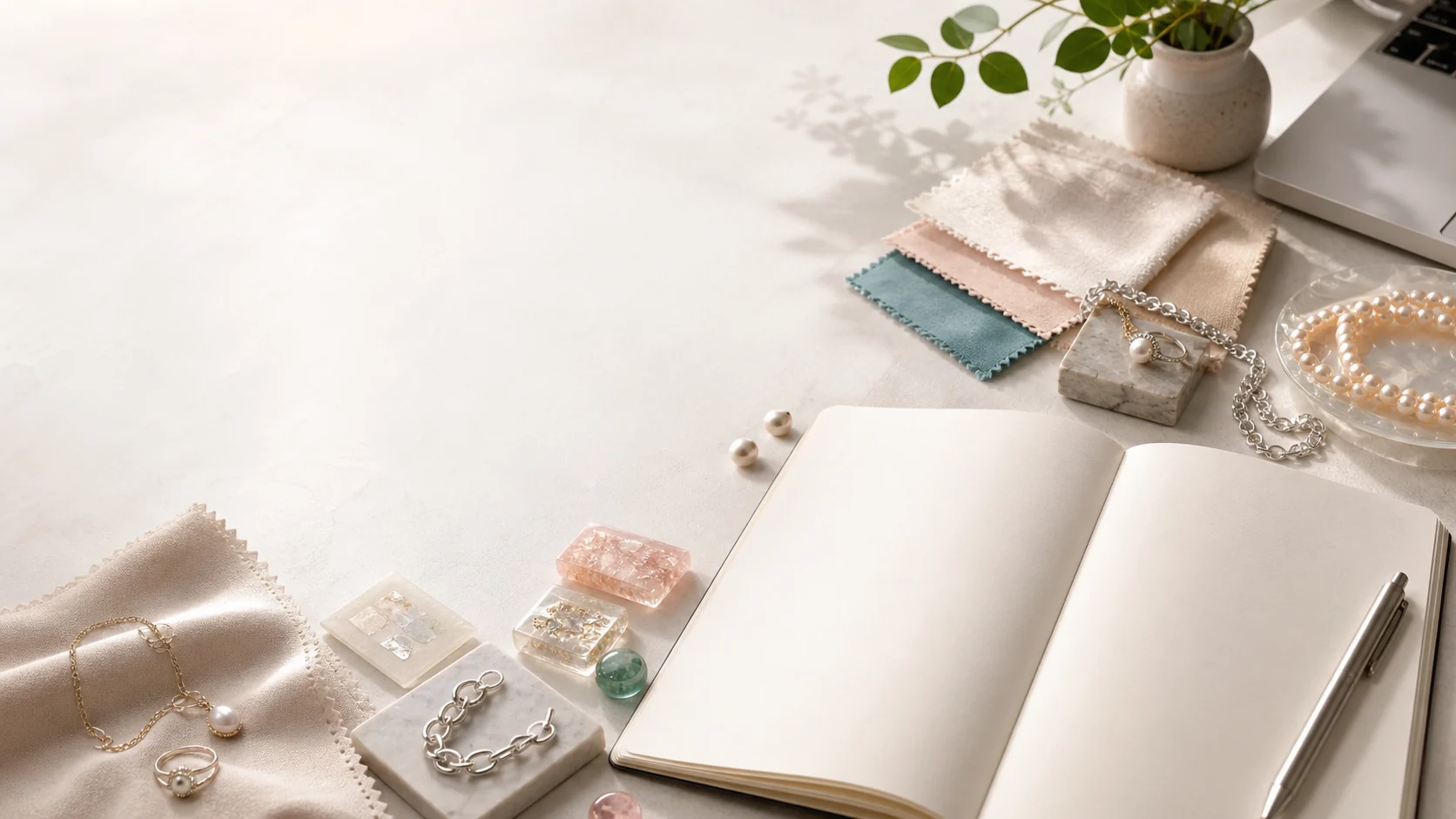
Wearing custom jewelry daily adds unique flair to any outfit, but daily exposure to sweat, chemicals, physical friction, and cosmetics can dull finishes, scratch metals, and weaken gem settings over time. Proper wearing habits help preserve structural integrity and plating brilliance, extending the service life of commercial fashion pieces and fine custom lines for your retail customers or personal brand.
Why Do Routine Activities Risk Jewelry Damage?
Jewelry alloys, surface platings, and inlaid stones interact continuously with the environment. Moisture and body oils promote surface oxidation, while everyday household chemicals—such as perfumes, hairsprays, lotion, and cleaning detergents—contain reactive compounds that strip protective coatings or tarnish base metals like copper and zinc alloy. Furthermore, high-impact physical activities impose structural stress on prongs, clasps, and delicate chains, increasing the risk of bent components, loose gemstones, or surface abrasions.
Core Rules for Wearing Jewelry Safely
To minimize wear and tear while maintaining maximum shine, apply these practical guidelines during daily wear:
- The Last On, First Off Rule: Always put jewelry on as the final step of your dressing routine after applying cosmetics, perfume, hairspray, and lotions. Conversely, remove jewelry first before starting evening skincare routines, washing hands, or taking a shower. This practice prevents chemical residues from depositing on metal surfaces and gemstone settings.
- Avoid Water and Chemical Contact: Remove custom pieces prior to swimming, bathing, or performing household chores. Chlorine in swimming pools and salts in seawater accelerate metal corrosion and break down protective sealants, while harsh detergents cause micro-pitting on plated surfaces.
- Remove Pieces During Physical Activity: Take off rings, bracelets, and dangling earrings before working out, playing sports, or handling heavy objects. Sweat contains acidic salts that degrade plating, while mechanical impacts can bend softer metal alloys or chip delicate stones like cubic zirconia and glass accents.
- Mind Extreme Environments: High heat, direct sunlight, and elevated humidity can expand metal, weaken jewel adhesives, or discolor sensitive materials. Remove jewelry before entering saunas, steam rooms, or sunbathing.
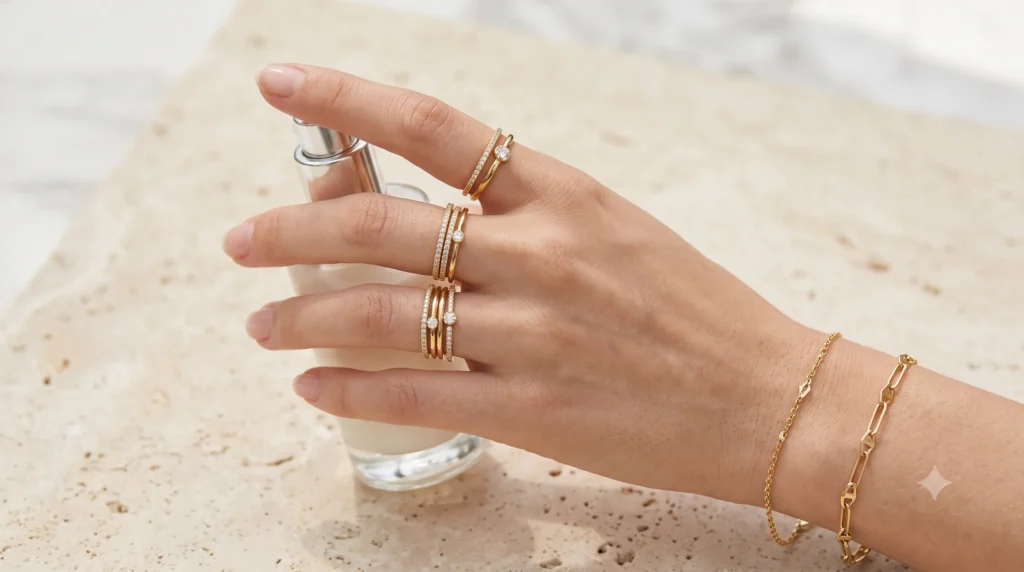
How Proper Care Protects Custom Brand Reputation
For private-label brands and importers, educating end-consumers on correct wear instructions reduces return rates and improves product satisfaction. Providing clear wearing guidelines alongside custom jewelry packaging demonstrates quality commitment and protects the perceived value of your custom-designed collections. Partnering with experienced manufacturers like yungshangJewelry ensures pieces are produced with durable construction and quality platings designed to withstand standard wear conditions when properly maintained.
Frequently Asked Questions
Can you wear gold-plated or PVD-coated jewelry in the shower?
While modern coatings like PVD offer enhanced corrosion resistance compared to basic electroplating, continuous exposure to hot water, soap scum, and body washes accelerates wear over time. Removing jewelry before bathing is always recommended to maximize longevity.
Why do some metals turn skin green or gray?
Skin discoloration occurs when trace elements in base metals react with acids in sweat and moisture to form mineral salts. Choosing hypoallergenic base metals or applying protective physical sealants helps reduce this irritation risk.
What should I do if my jewelry gets exposed to sweat or chemicals?
Rinse the item immediately with clean, lukewarm water to remove active chemical compounds, then gently pat it dry using a soft, non-abrasive microfiber cloth before storing it in a dry location.
Planning your next custom collection or seeking reliable manufacturing support? Contact yungshangJewelry today to discuss your OEM/ODM development, custom plating specifications, and sample requirements.